
Heavy machinery is an indispensable component across numerous industries, including construction, manufacturing, mining, agriculture, and logistics. While these powerful tools drive productivity and economic growth, they inherently present significant risks to worker safety. Accidents involving heavy equipment remain a persistent and serious concern, often resulting in severe injuries or fatalities. Understanding the scale of the problem, the nature of these incidents, and crucially, the strategies for prevention, is paramount for mechanical engineers involved in design, maintenance, and operational safety.
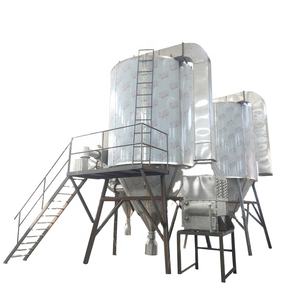
(How Many Work Accidents Occur With Heavy Machinery)
Quantifying the exact number of work accidents globally involving heavy machinery is challenging due to varying reporting standards, underreporting of minor incidents, and differences in industry sectors and regions. However, available data consistently paints a sobering picture. Organizations like the International Labour Organization (ILO) and national bodies such as the Occupational Safety and Health Administration (OSHA) in the United States and the Health and Safety Executive (HSE) in the UK regularly report that contact with machinery and equipment ranks among the top causes of serious workplace injuries and deaths. In construction, for instance, incidents involving equipment like excavators, bulldozers, cranes, and forklifts frequently contribute to a significant portion of fatalities, often categorized under ‘struck-by’ or ‘caught-in/between’ events. Similarly, manufacturing plants report incidents related to presses, conveyors, robotic arms, and other powered machinery.
The types of accidents are varied but often stem from common hazards. Workers can be struck by moving parts or equipment, crushed during equipment rollovers or collapses, caught in pinch points or rotating components, pinned by loads being lifted or moved, or injured during maintenance if machinery is unexpectedly energized. Electrocution incidents can also occur when machinery contacts overhead power lines. Furthermore, factors like inadequate training, lack of proper procedures, poor communication on worksites, failure to implement lockout/tagout (LOTO) protocols, fatigue, and insufficient maintenance significantly elevate the risk profile.
From a mechanical engineering perspective, accident prevention is a multi-layered responsibility rooted in the hierarchy of controls. The most effective approach is designing hazards out at the source. This involves incorporating inherent safety features during the machinery design phase. Guarding – physical barriers preventing access to dangerous moving parts – is fundamental. Interlocks ensure guards cannot be bypassed without stopping the machine. Emergency stop systems must be prominent, accessible, and fail-safe. Control systems should incorporate redundancy and safety logic to prevent unintended movements. Ergonomics plays a role in reducing operator error and fatigue. Advances in technology, such as proximity sensors, cameras, and automatic shutdown systems, offer increasingly sophisticated layers of protection.
However, engineering controls alone are insufficient. Robust operational procedures are essential. This includes comprehensive and ongoing operator training covering not only normal operation but also hazard recognition, emergency response, and specific procedures like LOTO – a critical system ensuring machinery is isolated from energy sources before maintenance begins. Strict adherence to load limits, proper inspection regimes before use, and clearly defined work zones to prevent workers from entering hazardous areas around operating equipment are vital procedural controls. Regular, preventive maintenance, guided by manufacturer specifications and engineering assessments, is crucial to maintaining mechanical integrity and preventing failures that could lead to accidents. This includes checking structural components, hydraulic systems, braking systems, and safety devices.
Supervision and a strong safety culture are the final pillars. Management must actively enforce safety protocols, provide necessary resources, and encourage hazard reporting without fear of reprisal. Workers need to be empowered to stop work if unsafe conditions are observed. Regular safety audits and risk assessments help identify and mitigate potential hazards proactively.
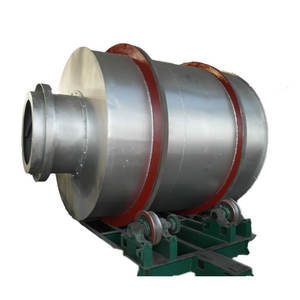
(How Many Work Accidents Occur With Heavy Machinery)
In conclusion, while heavy machinery accidents represent a significant occupational hazard globally, they are largely preventable. Mechanical engineers play a pivotal role throughout the equipment lifecycle: designing safer machines, specifying maintenance protocols, and contributing to safety management systems. By rigorously applying engineering principles focused on hazard elimination and control, enforcing strict operational procedures including comprehensive training and LOTO, and fostering a proactive safety culture, industries can drastically reduce the incidence of these often devastating accidents, protecting the workforce and ensuring sustainable operations.