
Handling heavy machinery is a fundamental activity within numerous industries, including construction, manufacturing, mining, logistics, and energy production. As mechanical engineers, we design, analyze, and oversee the implementation of these complex systems, but a critical aspect of their lifecycle involves their safe and effective handling. This term encompasses far more than simply operating the machine; it refers to the comprehensive set of procedures, skills, and precautions involved in moving, positioning, controlling, and maintaining large, powerful equipment throughout its operational use and service life.
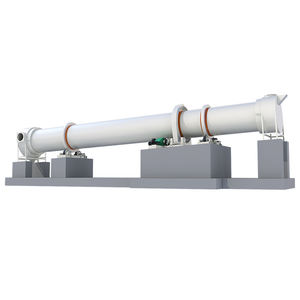
(What Is Handlign Heavy Machinery)
Heavy machinery, by definition, possesses significant mass, often immense power, and complex mechanical systems. Examples include hydraulic excavators, large cranes, bulldozers, mining haul trucks, industrial presses, turbines, and large generators. Handling such equipment begins long before it reaches the job site. Transporting these massive structures requires specialized trailers, meticulous load securing using engineered rigging techniques, careful route planning considering weight restrictions and bridge capacities, and adherence to strict transport regulations. This phase demands precise calculation and coordination to prevent accidents or damage during transit.
Once on site, positioning the machinery correctly is paramount. This involves selecting stable, level ground capable of bearing the extreme point loads exerted by tracks or outriggers. For lifting equipment like cranes, proper outrigger deployment on suitable foundations is a non-negotiable safety step, directly impacting stability during lifts. Positioning also considers operational requirements, such as reach, access for material handling, and proximity to other site activities to avoid interference or hazards. Improper positioning can lead to instability, reduced efficiency, or dangerous collisions.
The operation phase is the most visible aspect of handling. This requires highly trained and certified operators possessing not only the technical skill to manipulate the controls but also a deep understanding of the machine’s capabilities and limitations. Operators must interpret load charts for cranes, understand ground conditions for earthmoving equipment, and be proficient in the specific control systems of each machine type. Safe operation mandates strict adherence to manufacturer operating manuals, site-specific safety plans, and established protocols. It involves constant situational awareness – monitoring loads, surroundings (including personnel proximity), machine performance indicators, and environmental conditions like wind speed which can critically affect lifting operations. Communication, often via hand signals or radios, is vital, especially when operators’ visibility is limited.
Beyond movement and operation, handling encompasses the ongoing maintenance and servicing essential for longevity and safety. This involves safely accessing service points, often requiring the machine to be immobilized and energy sources locked out (Lockout/Tagout procedures). Technicians must handle heavy components during repairs or replacements, utilizing appropriate hoists, slings, and support structures. Proper lubrication, inspection for wear and damage, and timely replacement of critical components are all part of responsible machinery handling, ensuring reliability and preventing catastrophic failures.
Safety is the absolute cornerstone of handling heavy machinery. The potential consequences of error – equipment damage, structural failure, environmental spills, and most significantly, severe injury or loss of life – demand unwavering respect for established safety protocols. This includes rigorous operator training and certification programs, pre-operation inspections, adherence to load limits and operational envelopes, mandatory use of Personal Protective Equipment (PPE), clear communication protocols, and comprehensive risk assessments for non-routine tasks. Mechanical engineers contribute by designing safety features like load moment indicators, automatic shutdown systems, and robust structures, but safe handling relies on human diligence following procedures.
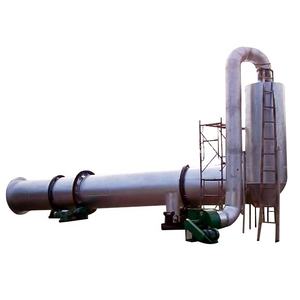
(What Is Handlign Heavy Machinery)
In essence, handling heavy machinery is a discipline. It requires technical knowledge, practical skill, rigorous planning, constant vigilance, and an ingrained culture of safety. It’s about understanding the immense forces involved, respecting the machine’s power, and executing every task – from transport and setup to operation and maintenance – with precision and care. As mechanical engineers, we recognize that the safe and efficient handling of these powerful tools is just as critical as their design and function in driving industrial progress.