
The question of whether a 17-year-old can legally and safely operate heavy machinery is one with significant implications for workplace safety and legal compliance. As a mechanical engineer deeply familiar with the hazards associated with industrial equipment and the regulatory landscape governing its use, the answer is unequivocally clear: No, a 17-year-old individual is legally prohibited from operating most forms of heavy machinery in the United States and many other jurisdictions. This restriction is firmly rooted in federal child labor laws and Occupational Safety and Health Administration (OSHA) regulations designed to protect young workers from inherently dangerous tasks.
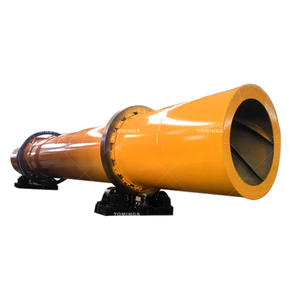
(Can I Work With Heavy Machinery 17 Years Old)
The primary legislation governing this area is the Fair Labor Standards Act (FLSA). OSHA standards explicitly reference and enforce FLSA provisions concerning hazardous occupations for minors. Specifically, these regulations prohibit individuals under the age of 18 from operating or assisting in the operation of numerous power-driven machines. This prohibition encompasses a wide range of equipment, including forklifts, earthmoving machinery (like bulldozers, backhoes, and front-end loaders), powered industrial trucks, woodworking machinery, metal-forming and punching machines, certain power-driven bakery machines, and hoisting apparatus such as cranes and derricks. The rationale behind these stringent prohibitions is multifaceted and compelling.
First and foremost, heavy machinery presents significant physical hazards. These include the risk of entanglement in moving parts, crushing injuries from shifting loads or equipment rollovers, amputations, falls from heights, and electrocution. Operating such machinery requires not only physical strength and dexterity but also a mature level of judgment, spatial awareness, and the ability to react quickly and appropriately to unexpected situations. Research indicates that adolescents, while often physically capable, may not have fully developed the cognitive maturity, risk assessment skills, or experience necessary to consistently anticipate and mitigate the complex hazards present in dynamic industrial environments. Their judgment in high-pressure scenarios may not yet be fully developed.
Furthermore, operating heavy machinery demands a deep understanding of complex procedures, safety protocols, and the potential consequences of errors. A momentary lapse in attention, a misjudgment of distance or weight, or an incorrect sequence of operations can lead to catastrophic accidents, endangering not only the young operator but also nearby coworkers and bystanders. The power and inertia involved in heavy machinery mean that mistakes can have irreversible consequences. Training requirements for such equipment are rigorous for a reason, and the legal framework recognizes that 17-year-olds are typically not in a position to meet these stringent demands due to both legal barriers and developmental stages.
While direct operation is prohibited, 17-year-olds may engage in certain related activities under strict supervision and within legal limits. They might observe operations from a safe distance as part of a learning experience, perform basic maintenance tasks only when the equipment is completely de-energized and rendered inoperable (lockout/tagout procedures are paramount), or assist with non-hazardous support roles in a shop environment. However, any task that involves interacting with the power-driven functions of the machinery itself is strictly off-limits.
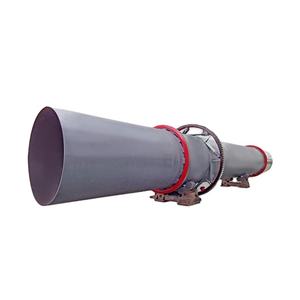
(Can I Work With Heavy Machinery 17 Years Old)
The pathway to operating heavy machinery legally begins at age 18. At that point, individuals become eligible to undergo the necessary formal training, certification, and licensing programs required for specific equipment. Employers have a legal and ethical obligation to verify the age of employees assigned to operate machinery and to strictly enforce these prohibitions. Ignoring these regulations exposes young workers to unacceptable risks and subjects employers to severe penalties, including substantial fines and potential legal liability in the event of an accident. Safety must always be the paramount concern, and the legal restrictions for minors working with heavy machinery exist to uphold this fundamental principle.