
Moving heavy machinery is a complex engineering undertaking that demands meticulous planning and execution to ensure safety, prevent damage, and minimize operational downtime. As a mechanical engineer, I emphasize that success hinges on a systematic approach grounded in thorough assessment, detailed planning, and rigorous adherence to safety protocols. Neglecting any phase of this process can lead to catastrophic failure, injury, or significant financial loss.
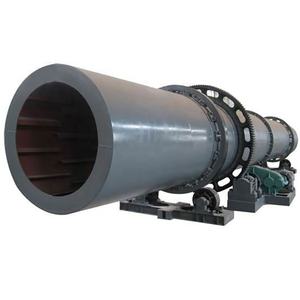
(How To Plan Moving Heavy Machinery)
The foundation of any successful heavy machinery move is a comprehensive pre-move assessment. This begins with gathering precise data on the equipment itself: its weight, dimensions (including center of gravity), configuration, structural integrity, and any critical components susceptible to damage during transit. Understanding the load path—the exact route from its current position to its final destination—is paramount. This involves detailed surveys of both origin and destination sites, evaluating doorways, corridors, floor load capacities, ceiling heights, and potential obstacles. Furthermore, the route between facilities requires careful inspection for road conditions, bridge weight limits, overhead clearance (power lines, signage), and turning radii. Engaging structural engineers may be necessary to assess building integrity if moving through floors or walls.
Risk analysis must be conducted concurrently with the assessment phase. Identify potential hazards such as uneven surfaces, confined spaces, proximity to operating equipment, or environmental factors like weather. Develop mitigation strategies for each identified risk. This phase also includes determining the necessary disassembly requirements. Minimizing disassembly reduces reassembly time and potential re-calibration issues, but safety and feasibility often dictate partial breakdown. Document every step, fastener, and connection meticulously to ensure accurate reassembly. Obtain all necessary permits from local authorities well in advance.
Based on the assessment, select the appropriate moving equipment. This is a critical engineering decision. Options range from specialized forklifts and pallet jacks for smaller loads to hydraulic gantries, skates, rollers, and heavy-duty industrial dollies for larger items. For extremely heavy or complex moves, specialized self-propelled modular transporters (SPMTs) or cranes—mobile or overhead—might be required. The choice depends on weight, dimensions, required maneuverability, floor conditions, and available budget. Calculate ground bearing pressures to ensure the chosen equipment and the travel path can support the load without causing structural damage. Verify the lifting capacity and stability of any crane or hoist used, considering the load’s center of gravity and potential dynamic forces during the lift.
Detailed planning encompasses creating a step-by-step sequence of operations. This plan should outline the disassembly procedure, lifting points and methods, rigging techniques (slings, chains, spreader bars rated for the load), movement path, and final positioning and leveling. Assign specific roles and responsibilities to a trained crew. Communication protocols are vital; establish clear lines of command, potentially using hand signals or radios. Develop contingency plans for potential issues like equipment failure, weather changes, or unexpected obstacles. Schedule the move during periods of minimal operational disruption and ensure adequate time buffers are included.
Execution requires strict adherence to the plan and safety protocols. Conduct a final safety briefing with the entire crew, reviewing the plan, hazards, and emergency procedures. Verify that all lifting and moving equipment is inspected and certified. Use trained riggers and operators for specialized equipment. Employ spotters throughout the move to monitor clearance and safety. Move slowly and deliberately, constantly checking for stability and potential problems. Secure the load properly during transit if it is being transported externally. Upon reaching the destination, position the machinery precisely, level it according to specifications, and reassemble components carefully. Finally, conduct thorough testing before returning the equipment to operation.
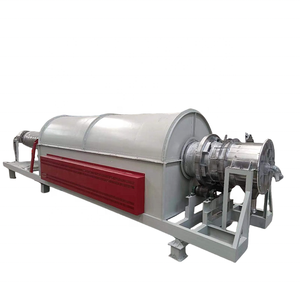
(How To Plan Moving Heavy Machinery)
In conclusion, moving heavy machinery is an engineering challenge demanding expertise, precision, and an unwavering commitment to safety. By methodically progressing through assessment, risk analysis, equipment selection, detailed planning, and controlled execution, mechanical engineers can ensure these complex operations are completed successfully, safeguarding personnel, protecting valuable assets, and maintaining operational continuity.