
Key takeaways
- Heavy machinery is defined by a combination of scale, power, task, operating environment, and operator requirements rather than a single weight figure.
- Common examples include excavators, bulldozers, cranes, rollers, dump trucks, and certain agricultural and forestry machines.
- Compact equipment, powered hand tools, on-road vehicles, and attachments often sit at the boundary and may be classified differently depending on context.
- Clear classification supports safety, training, maintenance planning, transport, insurance, and procurement decisions.
- A short checklist and documented reasoning help organisations apply heavy machinery definitions consistently.
What Counts As Heavy Machinery?
Heavy machinery refers to large, powered equipment built for substantial physical work such as lifting, digging, moving earth, compacting ground, or hauling materials on construction, mining, agricultural, forestry, and industrial sites. The term is defined less by a single weight threshold and more by a combination of size, power source, task, and operating context: equipment that is too large, too powerful, or too specialised to be handled as ordinary hand tools or light portable equipment is generally treated as heavy machinery.
In everyday use, the phrase overlaps with related terms such as plant equipment, earthmoving equipment, construction equipment, and heavy plant. These labels are not perfectly interchangeable, but they point to the same broad family of machines that require trained operators, planned maintenance, and site-level safety controls.
Because definitions vary between industries, regulators, insurers, and equipment owners, the most reliable approach is to describe heavy machinery by its characteristics rather than by a single fixed number. The sections below set out those characteristics, show where boundaries are less clear, and explain why the distinction matters in practice.
Core Characteristics That Define Heavy Machinery
A machine is usually treated as heavy machinery when several of the following characteristics appear together. No single feature is decisive on its own, but the more of these traits a machine has, the more clearly it fits the category.
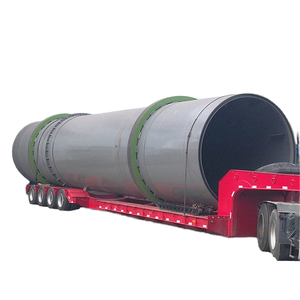
Scale and mass: heavy machinery is typically large and heavy relative to hand-operated equipment. It often needs transport by low-bed trailer or similar haulage rather than being carried or moved manually.
Power and drive: these machines generally rely on powerful diesel engines, hydraulic systems, or electric drives to perform work that would be impractical with human or small-tool effort. Hydraulics are especially common in lifting, digging, and attachment operation.
Task and function: heavy machinery is associated with tasks such as excavation, earthmoving, lifting, compaction, drilling, crushing, paving, and bulk material handling. A machine designed mainly for these tasks is more likely to be classified as heavy machinery than a tool used for finishing or light repair work.
Operating environment: these machines usually work on construction sites, quarries, mines, farms, forests, warehouses, ports, or industrial plants. They are often exposed to dust, mud, uneven ground, and continuous duty cycles.
Operator and safety requirements: heavy machinery normally requires a trained or licensed operator, pre-use inspections, and site-specific safety arrangements. The need for formal operating procedures is a strong practical signal that equipment belongs in this category.
| Characteristic | What it means in practice |
|---|---|
| Scale and mass | Large and heavy relative to hand-operated equipment; often needs low-bed transport |
| Power and drive | Uses powerful engines, hydraulics, or electric drives for demanding work |
| Task and function | Designed for excavation, lifting, compaction, hauling, drilling, or bulk handling |
| Operating environment | Typically used on construction, mining, agricultural, forestry, or industrial sites |
| Operator requirements | Usually needs a trained operator, inspections, and site-specific safety controls |
Common Types of Heavy Machinery
Heavy machinery covers a wide range of equipment families. The list below is illustrative rather than exhaustive, and some machines sit at the boundary between categories.
Earthmoving equipment includes excavators, bulldozers, backhoes, loaders, and graders. These machines dig, push, level, and move soil, rock, and debris.
Lifting equipment includes mobile cranes, tower cranes, telehandlers, and forklifts used for heavy loads. Lifting capacity and stability requirements are central to how these machines are operated and inspected.
Compaction and road equipment includes rollers, compactors, pavers, and stabilisers used to prepare and finish surfaces.
Hauling and transport equipment includes dump trucks, articulated haulers, and certain site vehicles designed to move bulk materials across rough ground.
Agricultural and forestry machinery includes tractors with heavy implements, harvesters, and forwarders. These machines share the scale, power, and operator requirements of construction plant even when their working context is different.
Drilling, crushing, and concrete equipment includes drilling rigs, crushers, screens, and concrete pumps. These are often fixed or semi-fixed on site but still fall within the heavy machinery family.
Where the Boundary Is Less Clear
Not every powered machine is heavy machinery, and the boundary is not always obvious. Several grey areas are worth recognising so that definitions are applied consistently.
Light and compact equipment: mini excavators, small skid-steer loaders, and compact utility vehicles may share the form of larger machines but are smaller and lighter. Whether they count as heavy machinery often depends on the site, the insurer, and the task rather than on the machine alone.
Powered hand tools and small plant: concrete mixers, plate compactors, generators, and similar items are powered and can be physically demanding, but they are usually grouped as small plant or tools rather than heavy machinery.
On-road vehicles: trucks and vans used mainly for road transport are generally treated as vehicles rather than heavy machinery, even when they are large. Site dumpers and off-road haulers are more likely to be classified as heavy plant because of their design and operating environment.
Attachments and implements: a hydraulic breaker, auger, or bucket is an attachment rather than a machine in its own right. It is usually classified together with the carrier machine it is fitted to.
Because these boundaries vary, organisations often define heavy machinery in their own policies by listing equipment classes, weight ranges, or operating contexts. A written definition helps avoid confusion in procurement, insurance, maintenance planning, and site inductions.
Why the Definition Matters in Practice
The way heavy machinery is defined has practical consequences across several areas of work.
Safety and training: equipment classified as heavy machinery usually triggers requirements for trained operators, pre-use inspections, exclusion zones, and site-specific risk assessments. Clear classification helps ensure the right controls are applied.
Maintenance and downtime: heavy machinery typically follows planned maintenance schedules, inspection intervals, and parts replacement cycles. Treating a machine as heavy plant signals that it needs structured servicing rather than occasional checks.
Transport and logistics: moving heavy machinery often requires low-bed trailers, permits, escorts, and route planning. Knowing whether a machine falls into this category affects how it is mobilised between sites.
Insurance and compliance: insurers and regulators may apply different requirements depending on equipment class. A clear internal definition supports accurate disclosure and record-keeping.
Procurement and hiring: buyers and hire companies use equipment categories to compare machines, set contract terms, and plan operator requirements. Consistent definitions make these comparisons more reliable.
How to Classify Equipment Consistently
A practical way to decide whether a machine counts as heavy machinery is to apply a short checklist rather than relying on a single figure.
First, confirm the machine's primary task. If it is designed for excavation, lifting, compaction, hauling, drilling, or similar bulk work, it is more likely to qualify. Second, check its scale and power relative to hand tools and small plant. Third, consider the operating environment and whether the machine is used on construction, mining, agricultural, forestry, or industrial sites. Fourth, review the operator and safety requirements, including training, inspections, and site controls. Finally, check any internal policy, insurance condition, or regulatory guidance that lists equipment classes.
Where a machine sits at the boundary, document the reasoning. Recording why a piece of equipment was classified in a particular way supports consistency across projects and helps new team members apply the same approach.
Definitions should also be reviewed periodically. As equipment designs change and new machine types appear, the categories used by a business may need updating to stay useful.
Frequently asked questions
Is there a single weight limit that defines heavy machinery?
No single weight limit applies universally. Different industries, insurers, and regulators may use their own thresholds or equipment lists. In practice, heavy machinery is identified by a combination of scale, power, task, operating environment, and operator requirements rather than by weight alone.
Do mini excavators count as heavy machinery?
Mini excavators sit at the boundary. They share the form and function of larger excavators but are smaller and lighter. Whether they are treated as heavy machinery often depends on the site, the insurer, and the task, so it is worth checking the applicable policy or definition.
Are forklifts classed as heavy machinery?
Forklifts are often grouped with heavy plant or industrial equipment when they are used for substantial lifting tasks, but classification varies. Their inclusion usually depends on the operating context and the definitions used by the organisation or insurer.
Are attachments like hydraulic breakers heavy machinery?
Attachments are generally not classified as machines in their own right. They are usually grouped with the carrier machine they are fitted to, and the combined unit is assessed as a whole.