
Operating heavy machinery such as excavators, bulldozers, cranes, and forklifts is integral to numerous industries like construction, mining, logistics, and manufacturing. The question of whether certifications are necessary for personnel involved with such equipment is frequently raised. The answer is not a simple yes or no; it depends significantly on the specific machinery, the jurisdiction, the nature of the work, and the employer’s policies. However, understanding the landscape reveals that certifications, while not universally mandated in every single instance, are overwhelmingly crucial for safety, legal compliance, and operational efficiency.

(Do I Need Certifications For Heavy Machinery)
Firstly, legal requirements are a primary driver for certification. Many countries and regions have stringent occupational health and safety regulations enforced by bodies like OSHA in the United States, HSE in the UK, or similar authorities globally. These regulations often explicitly require operators of certain types of high-risk heavy equipment to hold recognized certifications or licenses. For example, operating a mobile crane above a specific capacity typically requires a specialized license. Similarly, forklift operation in many jurisdictions necessitates documented training and certification meeting specific standards. Failure to comply can result in severe penalties, work stoppages, and increased liability for the employer in the event of an incident. Ignoring these mandates is legally perilous.
Beyond legal mandates, the intrinsic hazards associated with heavy machinery make certification a critical safety imperative. These machines possess immense power and kinetic energy; improper operation can lead to catastrophic accidents, including rollovers, collisions, struck-by incidents, and crushing injuries or fatalities. Certification programs are designed to impart essential knowledge and practical skills. Trainees learn machine capabilities and limitations, pre-operation inspections, safe operating procedures (including load handling and stability principles), hazard recognition (like overhead power lines or unstable ground), and emergency response protocols. This structured training significantly reduces the likelihood of operator error, which is a leading cause of workplace accidents involving heavy equipment. Certifications validate that an individual has received this vital safety training.
Furthermore, certifications contribute substantially to operational efficiency and risk management. Certified operators are generally more proficient, leading to smoother workflows, reduced machine downtime due to misuse or minor damage, and lower maintenance costs. They are better equipped to handle the equipment correctly under various site conditions. From a risk management perspective, employing certified operators demonstrates due diligence. Should an accident occur, proving that operators were properly trained and certified is a powerful defense against negligence claims. Conversely, uncertified operators expose the company to heightened legal and financial risks, potential increases in insurance premiums, and reputational damage.
While some smaller or less complex pieces of equipment on private property might not fall under strict regulatory certification requirements, the principles of safety and competency still apply. Even in these cases, employers benefit significantly from ensuring their personnel receive adequate training, which may be documented internally. However, for the vast majority of heavy machinery used in commercial and industrial settings, especially those posing significant risks, formal third-party certification is the standard and expected practice.
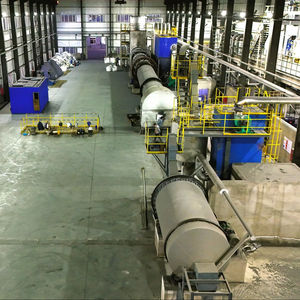
(Do I Need Certifications For Heavy Machinery)
In conclusion, while the absolute necessity for certification might vary slightly based on the specific machine and local laws, the overwhelming consensus within the mechanical engineering and industrial safety communities is that certifications for heavy machinery operators are indispensable. They are not merely bureaucratic hurdles but fundamental tools for ensuring workplace safety, achieving legal compliance, mitigating operational risks, and protecting both personnel and assets. Employers should proactively seek out accredited certification programs relevant to their equipment and operational context, viewing them as an essential investment rather than an optional expense. Always consult the specific regulations applicable to your location and industry for precise requirements.