
Heavy equipment machinery refers to large, powerful machines engineered for construction, mining, earthmoving, material handling, and other industrial applications that require substantial force, durability, and precision. These machines are essential in executing tasks that would otherwise be impossible or highly inefficient using manual labor or smaller tools. Common examples include excavators, bulldozers, loaders, graders, dump trucks, cranes, and trenchers—each designed for specific operational requirements across diverse environments.
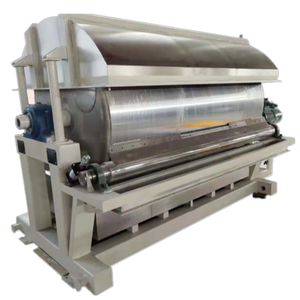
(What Is Heavy Equipment Machinery)
The primary function of heavy equipment is to move or manipulate large volumes of earth, rock, or other materials efficiently and safely. For instance, an excavator uses a hydraulic arm and bucket to dig trenches, foundations, or mines, while a bulldozer employs a broad metal blade to push soil, sand, or debris during land clearing or road grading. Loaders lift and transport materials such as gravel or demolition waste, and motor graders create smooth, level surfaces for roads or airstrips. The versatility and specialization of these machines enable modern infrastructure projects—from highways and bridges to skyscrapers and dams—to be completed on schedule and within budget.
Heavy machinery is typically characterized by its robust construction, high torque output, and advanced control systems. Most units are powered by diesel engines due to their reliability, fuel efficiency, and ability to deliver consistent power under heavy loads. Modern equipment increasingly incorporates automation, telematics, and GPS-guided systems to enhance accuracy, reduce operator fatigue, and improve safety. For example, grade-control technology allows dozers and graders to maintain precise elevation without constant manual input, significantly improving productivity on large-scale sites.
Operators of heavy equipment must undergo specialized training to handle these complex machines safely and effectively. Certification programs often include both classroom instruction and hands-on practice, covering topics such as equipment inspection, load dynamics, site safety protocols, and environmental regulations. Skilled operators not only maximize machine performance but also play a critical role in preventing accidents and minimizing downtime. As referenced in industry resources, becoming a competent heavy machinery dock operator requires understanding load balancing, spatial awareness, and communication with ground crews—skills that are vital in port and logistics environments.
The applications of heavy equipment extend well beyond traditional construction. In mining operations, massive haul trucks and continuous miners extract minerals from deep underground or open-pit sites. In agriculture, specialized machinery such as combine harvesters and irrigation systems support large-scale food production. Disaster response teams also rely on heavy equipment for debris removal and emergency infrastructure repair following natural catastrophes. Moreover, emerging sectors like renewable energy deployment—such as wind turbine installation or solar farm construction—increasingly depend on cranes and transporters capable of handling oversized components.
Maintenance is another cornerstone of heavy equipment management. Given the extreme stresses these machines endure, routine servicing is crucial to ensure longevity and optimal performance. Preventive maintenance schedules typically include fluid checks, filter replacements, track or tire inspections, and hydraulic system evaluations. Neglecting upkeep can lead to catastrophic failures, costly repairs, and project delays. Many companies now use digital fleet management systems to monitor machine health in real time, allowing predictive maintenance strategies that reduce unplanned outages.
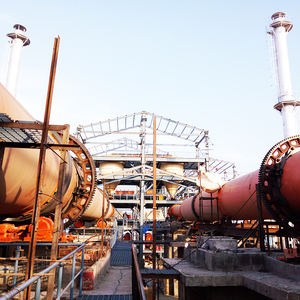
(What Is Heavy Equipment Machinery)
In conclusion, heavy equipment machinery forms the backbone of modern industrial and civil development. Its evolution reflects advances in engineering, materials science, and digital technology, continually expanding what is possible in large-scale projects. Whether leveling terrain for a new highway, erecting a steel frame for a high-rise building, or extracting raw materials from the earth, heavy machinery enables progress at a scale and speed unattainable by any other means. As global infrastructure demands grow, so too will the innovation and deployment of these indispensable mechanical workhorses.