
Operating heavy machinery presents inherent challenges beyond the technical aspects of equipment function. Among these is the critical consideration of when such machinery can be operated. This is not merely a question of operator preference but involves navigating legal frameworks, community relations, environmental conditions, and operational efficiency. Determining the appropriate time requires a multi-faceted analysis to ensure responsible and sustainable operations.
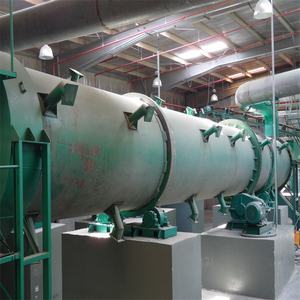
(What Time Can You Run Heavy Machinery)
The most significant external constraint often comes in the form of noise ordinances and local regulations. Municipalities frequently establish specific hours during which construction, industrial, or other activities generating significant noise levels are permitted. These “permitted hours” typically fall within daytime periods, commonly ranging from 7:00 AM or 8:00 AM to 6:00 PM or 7:00 PM on weekdays, with potentially shorter or non-existent hours on weekends and public holidays. Operating outside these designated periods risks substantial fines, legal action, and significant disruption to community relations. Compliance with these regulations is paramount. Operators and project managers must meticulously review local bylaws for each specific site location, as these rules can vary considerably between jurisdictions. Ignorance of local ordinances is rarely a valid defense.
Environmental conditions also dictate operational timing. Safety is the primary concern. Operating heavy machinery during periods of low visibility, such as night-time without adequate, properly directed lighting, or during heavy fog, presents unacceptable risks. Similarly, adverse weather events like heavy rain, snowstorms, or high winds can create hazardous working conditions, reducing traction, stability, and operator visibility, making operation unsafe. Extreme temperatures, both hot and cold, can also impact machine performance and operator alertness. While some projects necessitate 24-hour operation (e.g., critical infrastructure repairs, continuous process industries), such work requires rigorous risk assessments, enhanced safety protocols, specialized lighting, and potentially additional personnel to mitigate the inherent risks of working outside optimal daylight hours.
Beyond legal and safety constraints, operational efficiency plays a crucial role. Daylight generally provides superior natural working conditions, enhancing visibility for operators and ground personnel alike, thereby potentially improving productivity and reducing the likelihood of errors or accidents. Maintenance activities, particularly those requiring detailed inspection or complex repairs, are often best scheduled during daylight for these reasons. Furthermore, coordinating machinery operation with other site activities is essential. Running heavy equipment during core project hours ensures alignment with deliveries, inspections, and the work schedules of other trades, optimizing overall project flow.
However, exceptions exist. Certain critical operations, such as emergency repairs to essential infrastructure (power lines, water mains), may require immediate action regardless of the time. Some large-scale industrial processes operate continuously for economic or technical reasons. In such cases, operating outside standard daylight hours becomes necessary. Mitigation strategies are then critical. This includes implementing stringent noise reduction measures (acoustic barriers, equipment mufflers), ensuring lighting does not cause light pollution affecting nearby residents, and maintaining clear communication channels with the local community to manage expectations and address concerns proactively.
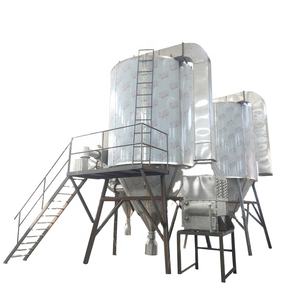
(What Time Can You Run Heavy Machinery)
In conclusion, determining the appropriate time to run heavy machinery is a complex decision requiring careful consideration of multiple factors. Adherence to local noise ordinances and regulations is non-negotiable. Prioritizing operator and site safety by avoiding adverse weather and low-visibility conditions is essential. Leveraging daylight for enhanced efficiency and coordination is generally advisable. While exceptions exist for critical or continuous operations, these necessitate robust mitigation plans and proactive community engagement. Ultimately, responsible operation involves balancing project requirements with legal compliance, safety imperatives, environmental stewardship, and respect for the surrounding community, ensuring that heavy machinery contributes to progress without creating undue burdens.