PRODUCT PARAMETERS
Description
Introduction of Environmental Protection Waste Incineration Rotary Kiln
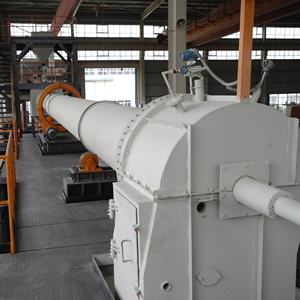
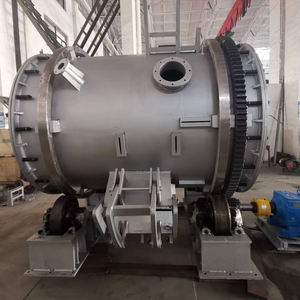
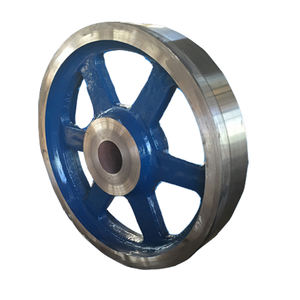
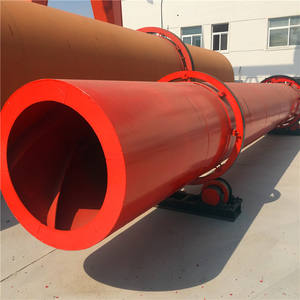
A rotary kiln is a kind of industrial equipment used for material heating and processing, which is widely used in cement, metallurgy, chemical industry, etc. Environmental Protection Waste Incineration Rotary Kiln refers to various parts and components which are necessary for maintaining and repairing the normal operation of the rotary kiln, such as cylinder, baffle wheel, pallet, sealing device and so on.
Features and advantages of Environmental Protection Waste Incineration Rotary Kiln
High-temperature resistance: Due to the extremely high temperature of the working environment of the rotary kiln, the spare parts are usually made of refractory materials or special alloys to ensure that they can work stably under high temperatures.
High abrasion resistance: Long time material friction and chemical erosion require spare parts to have excellent abrasion resistance to prolong service life.
High structural strength: in order to withstand heavy loads and the pressure of continuous operation, the design of spare parts will place special emphasis on structural strength and reliability.
Easy to install and maintain: Considering the need for frequent replacement, many spare parts are designed to be simpler and easier for quick installation and maintenance.
Strong adaptability: different industries have different needs for rotary kilns, so spare parts need to have good versatility and adaptability to meet diverse application conditions.
Specifications of Environmental Protection Waste Incineration Rotary Kiln
Environmental Protection Waste Incineration Rotary Kiln– Trick Specs
Layout and Structure
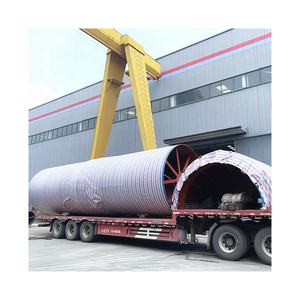
The rotary kiln is built with a durable steel shell lined with high-temperature refractory bricks. This layout guarantees lengthy service life under severe warmth. The kiln turns slowly on support rollers, permitting waste to move efficiently from the feed end to the discharge end. Its slight tilt helps gravity help this movement.
Operating Temperature: 850 ° C to1200 ° C. Kiln Diameter: 1.5 m to 4.0 m (adjustable).
Kiln Length: 10 m to 30 m (based upon capacity requirements).
Turning Speed: 0.5 to 3 rpm (flexible).
Waste Handling Capacity
This incineration system deals with 5 to 100 lots of waste per day. It accepts community strong waste, commercial sludge, medical waste, and particular hazardous materials. Waste is fed constantly with an airlock feeder to preserve stable burning conditions inside the kiln.
Discharge Control
The kiln collaborates with an additional burning chamber and flue gas treatment system. These elements guarantee full destruction of natural toxins and dioxins. Discharges satisfy or exceed regional and worldwide environmental criteria. Particulates, acid gases, and heavy steels are removed using scrubbers, filters, and activated carbon injection.
Energy Efficiency
Heat healing alternatives are available. Waste warmth from flue gases can produce vapor or preheat combustion air. This decreases fuel intake and operating expense. Natural gas, diesel, or waste-derived gas might be made use of to begin or support burning.
Control System
An automated PLC control board keeps an eye on temperature level, pressure, turning rate, and oxygen levels in actual time. Operators can readjust settings conveniently to match waste type and tons. Alarm systems and security interlocks safeguard tools and personnel during unexpected events.
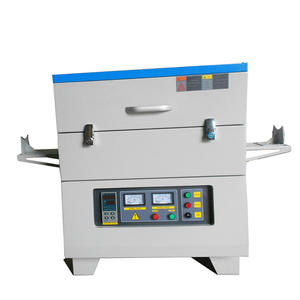
Applications of Environmental Protection Waste Incineration Rotary Kiln
Applications of Environmental Management Waste Incineration Rotary Kiln
Safe Therapy of Contaminated Materials
The environmental protection waste incineration rotary kiln handles harmful industrial waste securely. It burns products like chemical sludge, clinical waste, and contaminated soil at high temperatures. This procedure breaks down hazardous compounds into harmless gases and ash. Operators control temperature and air movement to fulfill strict discharge requirements.
Community Strong Waste Monitoring
Cities utilize this rotary kiln to manage daily home trash. The system lowers waste volume by approximately 90%. It also cuts down garbage dump use and prevents groundwater air pollution. Warm from shedding waste can create heavy steam or electricity, supporting local energy needs.
Industrial Result Recycling
Factories generate leftover materials that are tough to take care of. The rotary kiln processes these byproducts successfully. Metals, glass, and other non-combustibles continue to be as deposit and can be recouped for reuse. This sustains round economic climate objectives and lowers basic material expenses.
Medical and Biological Waste Disposal
Hospitals and labs count on the rotating kiln to ruin utilized needles, cells, and cultures. Total burning makes sure microorganisms do not spread. The system runs constantly, providing a trusted remedy also throughout health emergency situations.
Stable Procedure and Reduced Discharges
Solid style features enable the kiln to run steadily under heavy lots. Advanced flue gas cleansing systems eliminate dust, acid gases, and dioxins prior to release. Real-time monitoring keeps exhausts well below legal limitations. Upkeep is simple, which aids keep operating prices reduced.
This rotating kiln fits several waste streams. It provides sectors and communities a trustworthy way to protect public health and wellness and the setting.
Company Introduction
Established in 2001, plant Machinery Equipment Co.,ltd. focus on metal research and mining machinery spare parts. 2 factories over an area of 13,300 square meters, based on 100+ sets of equipment, our production capacity reaches 12000 Tons/Year. has passed ISO 9001 quality managment system certification in 2008.
Our mainly products are dragline excavator spare parts,rotary kiln spare parts, large modulus gear (gear shaft), gearbox ect. 40+ patents with over 45 years experience to help focus on improve the service life of spare parts. We belive that more than 80% reason of mechanical parts’ working life depends on hot processing (steel making/forging/casting/welding/heat treatment). Eight material engineers will control the quality from the original resource.
If you are interested, please feel free to contact us.
Payment
L/C, T/T, Western Union, Paypal, Credit Card etc.
Shipment
By sea, by air, by express, as customers request.
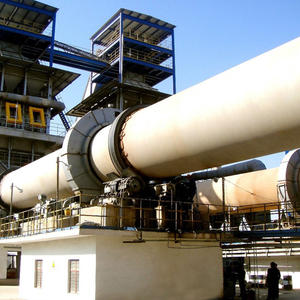
5 FAQs of Environmental Protection Waste Incineration Rotary Kiln
Frequently Asked Questions About Environmental Protection Waste Incineration Rotary Kilns
What is a waste incineration rotary kiln?
A waste incineration rotary kiln is a large, rotating furnace used to burn solid waste at high temperatures. It breaks down hazardous and non-hazardous materials safely. The design ensures complete combustion and reduces harmful emissions.
How does it protect the environment?
The kiln burns waste at very high temperatures—usually above 850°C. This destroys toxic substances effectively. It also includes advanced flue gas treatment systems. These systems remove pollutants like dioxins, heavy metals, and acid gases before releasing clean air.
What types of waste can it handle?
It processes many kinds of waste, including industrial sludge, medical waste, chemical residues, and municipal solid waste. The kiln works well with mixed or hard-to-treat materials because of its robust thermal design and long residence time.
Is the operation safe?
Yes. The system follows strict safety and environmental regulations. Operators use automated controls to monitor temperature, airflow, and emissions in real time. Emergency shutdown features and leak-proof seals add extra layers of protection.
What about energy recovery?
Many rotary kiln systems recover heat from the combustion process. This heat can produce steam or generate electricity. Energy recovery improves overall efficiency and lowers operating costs. It also supports sustainability goals by turning waste into usable energy.
REQUEST A QUOTE
RELATED PRODUCTS
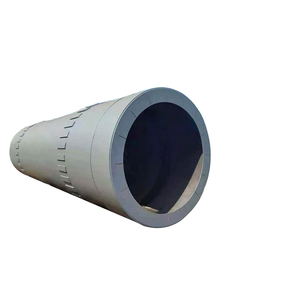
Customized Heavy Duty Cnc Lathe Machining Casting Cement Cap Ball Mill Heads Steel End Cover
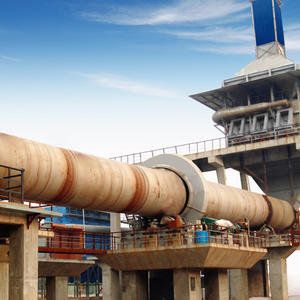
Rotary dryer spare parts Q235 mild steel welding kiln drum kiln shell
2024 OEM Rotary Kiln Spare parts trunnion roller Trunnion Wheels
1100c – 1800c Muffle furnace Alumina Oven heater Ceramic Fiber Refractory heating furnace chamber For Furnace Kiln
Refractory Cordierite Ceramic Heating parts Factory Direct