PRODUCT PARAMETERS
Description
Introduction of rotary calciner electric calcination rotary kiln calcining kiln for grinding material
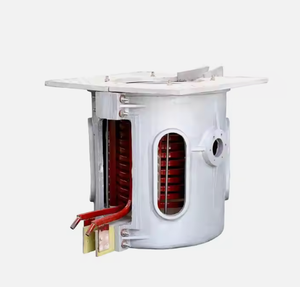
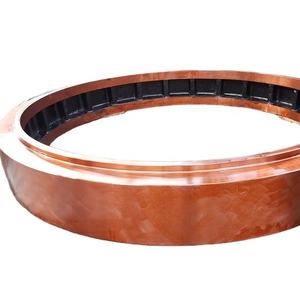
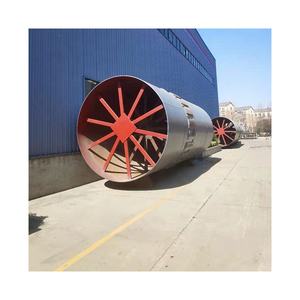
A rotary kiln is a kind of industrial equipment used for material heating and processing, which is widely used in cement, metallurgy, chemical industry, etc. rotary calciner electric calcination rotary kiln calcining kiln for grinding material refers to various parts and components which are necessary for maintaining and repairing the normal operation of the rotary kiln, such as cylinder, baffle wheel, pallet, sealing device and so on.
Features and advantages of rotary calciner electric calcination rotary kiln calcining kiln for grinding material
High-temperature resistance: Due to the extremely high temperature of the working environment of the rotary kiln, the spare parts are usually made of refractory materials or special alloys to ensure that they can work stably under high temperatures.
High abrasion resistance: Long time material friction and chemical erosion require spare parts to have excellent abrasion resistance to prolong service life.
High structural strength: in order to withstand heavy loads and the pressure of continuous operation, the design of spare parts will place special emphasis on structural strength and reliability.
Easy to install and maintain: Considering the need for frequent replacement, many spare parts are designed to be simpler and easier for quick installation and maintenance.
Strong adaptability: different industries have different needs for rotary kilns, so spare parts need to have good versatility and adaptability to meet diverse application conditions.
(rotary calciner electric calcination rotary kiln calcining kiln for grinding material)
Specifications of rotary calciner electric calcination rotary kiln calcining kiln for grinding material
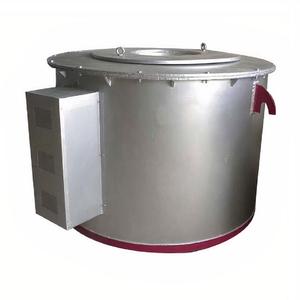
This rotary calciner kiln processes grinding materials using high heat. The kiln body is made from strong steel. The inside has special refractory lining. This lining handles very hot temperatures. It protects the steel shell. The kiln turns slowly. Materials move from one end to the other. Heat is applied inside the rotating drum. Electric heating elements generate this heat. These elements sit around the kiln shell. They create controlled heat zones. Operators adjust the temperature carefully. Different materials need different temperatures. The temperature range is wide. It goes from moderate heat to very high heat. The rotation speed is adjustable. Slow rotation gives materials more time inside. Fast rotation moves materials quicker. This controls how long materials are heated. The kiln tilts slightly. Gravity helps materials move forward. Heated air flows through the kiln. This air carries away gases and moisture. Feed systems add raw materials steadily. Discharge systems remove the finished product. Cooling might happen right after discharge. Sizes vary for different production needs. Small units handle laboratory batches. Large units process tons per hour. The electric drive turns the kiln reliably. Bearings support the heavy rotating drum. Seals stop heat and dust from escaping. Control panels manage temperature and rotation. Operators monitor the process easily. This kiln calcines many materials effectively. It prepares powders for further grinding. It ensures consistent material quality.
(rotary calciner electric calcination rotary kiln calcining kiln for grinding material)
Applications of rotary calciner electric calcination rotary kiln calcining kiln for grinding material
Rotary calciners are important equipment for high temperature processing. They heat materials to very high temperatures while rotating them. This rotation ensures even heating and good chemical reactions inside. The heat changes the material’s properties permanently. Many industries rely on these kilns.
One major application is making lime from limestone. The kiln heats the limestone rock strongly. This heat drives off carbon dioxide gas. What’s left is quicklime. Quicklime is essential for construction, steel making, and water treatment. The rotary kiln is perfect for handling large amounts of limestone continuously.
Another key use is activating clay minerals. Clay contains minerals like kaolin. Heating kaolin in the kiln removes water molecules trapped inside its structure. This process makes the clay more reactive. Activated clay is a vital ingredient in cement production. It improves the cement’s strength and durability.
Rotary calciners also treat industrial waste effectively. They can safely destroy hazardous organic compounds found in waste sludge or contaminated soil. The intense heat breaks down dangerous chemicals into harmless gases and solid ash. This offers a secure disposal method for difficult waste streams.
Processing petroleum coke is another application. Petroleum coke comes from oil refining. It often contains too much volatile material for direct use. Calcining removes these volatiles. The result is pure carbon coke. This pure coke is critical for making aluminum anodes and graphite products.
The kilns prepare minerals for grinding too. Some minerals are very tough to grind after mining. Pre-heating them in a calciner makes them brittle. Brittle minerals are much easier to crush and grind into fine powders. This saves energy and improves efficiency in mineral processing plants.
Company Introduction
Established in 2001, plant Machinery Equipment Co.,ltd. focus on metal research and mining machinery spare parts. 2 factories over an area of 13,300 square meters, based on 100+ sets of equipment, our production capacity reaches 12000 Tons/Year. has passed ISO 9001 quality managment system certification in 2008.
Our mainly products are dragline excavator spare parts,rotary kiln spare parts, large modulus gear (gear shaft), gearbox ect. 40+ patents with over 45 years experience to help focus on improve the service life of spare parts. We belive that more than 80% reason of mechanical parts’ working life depends on hot processing (steel making/forging/casting/welding/heat treatment). Eight material engineers will control the quality from the original resource.
If you are interested, please feel free to contact us.
Payment
L/C, T/T, Western Union, Paypal, Credit Card etc.
Shipment
By sea, by air, by express, as customers request.
5 FAQs of rotary calciner electric calcination rotary kiln calcining kiln for grinding material
Rotary calciners heat materials very hot. They turn continuously. This ensures even heat spread. Materials change chemically or physically inside. This process is called calcination. Electric calcination rotary kilns use electricity. They heat materials instead of using gas or oil.
What is a rotary calciner?
A rotary calciner is a long, rotating tube. It tilts slightly. Material enters the high end. Heat is applied inside the tube. The rotation moves material down. It tumbles constantly. This exposes all particles to the heat. The material heats up evenly. It changes as required. Processed material exits the lower end.
What materials use this kiln?
These kilns process many powdered materials. Common ones are minerals like limestone. They turn limestone into quicklime. They also handle industrial minerals. These include gypsum and clay. Chemicals like catalysts use these kilns. Waste materials sometimes need calcining too. The kiln handles fine powders best.
Why choose electric over traditional kilns?
Electric kilns offer precise temperature control. Operators can set exact heat levels. This improves product quality. Electric heating is very clean. No combustion gases touch the material. This keeps the product pure. Electric kilns are often easier to install. They might need less complex fuel systems. They suit places with good electricity supply.
What industries use these kilns?
Many industries rely on calcination. Cement production uses them heavily. The chemical industry depends on them. They are vital in making certain pigments. Environmental sectors use them for waste treatment. They are key in producing special ceramics. Any process needing controlled high heat uses them.
How much maintenance do they need?
Rotary kilns are robust machines. They still need regular care. Bearings and seals need checking often. The rotating drum requires alignment checks. The heating elements need inspection. Electric systems need monitoring. Proper maintenance prevents costly stops. It keeps the kiln running smoothly for years.
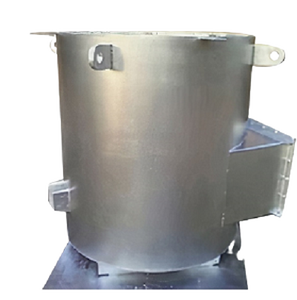
(rotary calciner electric calcination rotary kiln calcining kiln for grinding material)
REQUEST A QUOTE
RELATED PRODUCTS
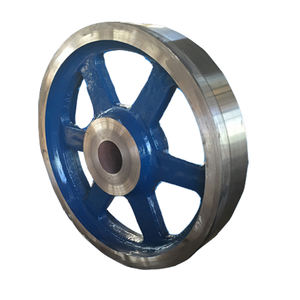
OEM Forged Steel Ball Mill Ring Rotary Kiln Parts Roller Dryer Support Trunnions
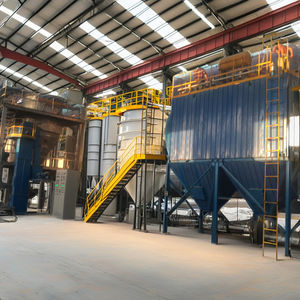
whole small mini calcining kiln rotary kiln
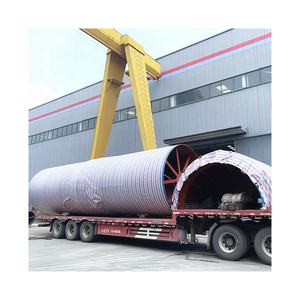
custom ball mill casting ZG310-570 42CrMo steel rotary kiln external spur tooth large ring gear
Industrial lpg gas burner kiln light diesel oil kiln burner lpg pyrolysis oil burner Boiler Parts
High Temperature Ceramic Fiber Muffle Furnace Chamber Alumina Ceramic Resistance Wire Heating Module For Furnace Kiln Ovens