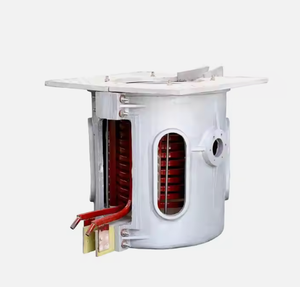
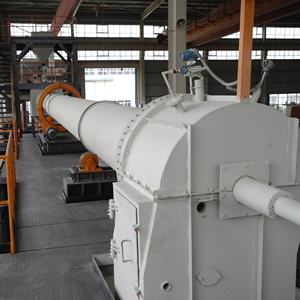
PRODUCT PARAMETERS
Description
Introduction of Rotary kiln furnace for sponge iron, small capacity rotary kiln
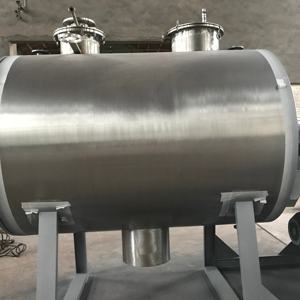
A rotary kiln is a kind of industrial equipment used for material heating and processing, which is widely used in cement, metallurgy, chemical industry, etc. Rotary kiln furnace for sponge iron, small capacity rotary kiln refers to various parts and components which are necessary for maintaining and repairing the normal operation of the rotary kiln, such as cylinder, baffle wheel, pallet, sealing device and so on.
Features and advantages of Rotary kiln furnace for sponge iron, small capacity rotary kiln
High-temperature resistance: Due to the extremely high temperature of the working environment of the rotary kiln, the spare parts are usually made of refractory materials or special alloys to ensure that they can work stably under high temperatures.
High abrasion resistance: Long time material friction and chemical erosion require spare parts to have excellent abrasion resistance to prolong service life.
High structural strength: in order to withstand heavy loads and the pressure of continuous operation, the design of spare parts will place special emphasis on structural strength and reliability.
Easy to install and maintain: Considering the need for frequent replacement, many spare parts are designed to be simpler and easier for quick installation and maintenance.
Strong adaptability: different industries have different needs for rotary kilns, so spare parts need to have good versatility and adaptability to meet diverse application conditions.
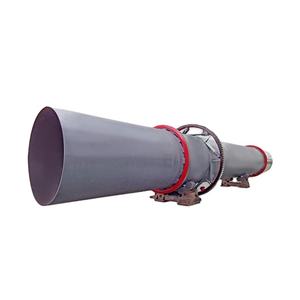
(Rotary kiln furnace for sponge iron, small capacity rotary kiln)
Specifications of Rotary kiln furnace for sponge iron, small capacity rotary kiln
This small rotary kiln makes sponge iron. It processes iron ore pellets or lumps. The kiln uses direct reduction. This method removes oxygen from iron ore. You get sponge iron as the result. Sponge iron is also called Direct Reduced Iron or DRI. It is a key material for steelmaking.
The kiln is built for smaller operations. Its capacity is modest. This fits pilot plants or specific project needs. The kiln’s size is smaller than industrial versions. The internal diameter is typically 1.5 to 2.5 meters. The length is around 15 to 30 meters. This compact design saves space.
It handles temperatures from 900 to 1050 degrees Celsius. This heat is vital for the reduction process. The kiln rotates slowly. The rotation speed is adjustable. It usually turns at 0.5 to 1.5 revolutions per minute. This turning mixes the material. It ensures even heating.
The kiln body is made of strong steel. The inside has refractory bricks. These bricks resist very high heat. They protect the steel shell. The kiln is slightly tilted. The tilt helps material move through. Material enters the higher end. It travels to the lower end as the kiln turns.
Gas or coal provides the heat. Burners fire into the kiln. The system manages the flame carefully. Temperature control is precise. This control is key for good quality sponge iron. The kiln has seals at both ends. These seals keep gases inside. They help maintain the needed atmosphere.
The small size offers flexibility. It suits locations with limited space. It is easier to install. Maintenance is simpler too. This kiln gives a practical solution. It produces sponge iron reliably on a smaller scale.
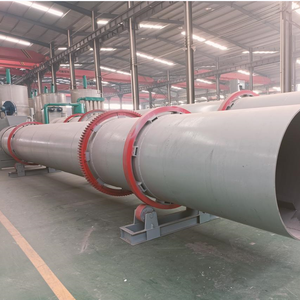
(Rotary kiln furnace for sponge iron, small capacity rotary kiln)
Applications of Rotary kiln furnace for sponge iron, small capacity rotary kiln
Small rotary kilns produce sponge iron efficiently. They handle smaller production volumes. Many industries find this useful. The kiln heats iron ore and coal together. Temperatures reach around 1000 degrees Celsius. This process reduces the iron ore. It becomes sponge iron directly. This is direct reduction iron (DRI). Small kilns work well for specific needs. They fit businesses with limited space. They suit companies needing lower output. The design is simpler. It uses less energy. Operating costs are lower too. Installation is faster and easier. These kilns need less investment. They are good for starting projects. They help enter the sponge iron market. Material feeding happens at one end. Hot sponge iron comes out the other end. Cooling systems manage the product temperature. Operators control the kiln’s rotation speed. They adjust the heating rate. This controls the reduction process. Quality stays high. Small kilns offer flexibility. They can run continuously. They handle different raw material grades. Maintenance is straightforward. Downtime is minimized. They provide a reliable method. This method produces sponge iron effectively. It serves smaller steel plants. It helps foundries needing sponge iron. It supports ferroalloy production too. Small rotary kilns are a practical solution. They meet the demand for sponge iron. They do this without large-scale operations. They are cost-effective. They offer reliable performance.
Company Introduction
Established in 2001, plant Machinery Equipment Co.,ltd. focus on metal research and mining machinery spare parts. 2 factories over an area of 13,300 square meters, based on 100+ sets of equipment, our production capacity reaches 12000 Tons/Year. has passed ISO 9001 quality managment system certification in 2008.
Our mainly products are dragline excavator spare parts,rotary kiln spare parts, large modulus gear (gear shaft), gearbox ect. 40+ patents with over 45 years experience to help focus on improve the service life of spare parts. We belive that more than 80% reason of mechanical parts’ working life depends on hot processing (steel making/forging/casting/welding/heat treatment). Eight material engineers will control the quality from the original resource.
If you are interested, please feel free to contact us.
Payment
L/C, T/T, Western Union, Paypal, Credit Card etc.
Shipment
By sea, by air, by express, as customers request.
5 FAQs of Rotary kiln furnace for sponge iron, small capacity rotary kiln
What is a small capacity rotary kiln for sponge iron? It is a type of furnace. It turns iron ore into sponge iron. This furnace is smaller than usual. It fits businesses needing less output. It handles smaller production volumes well.
How does this small rotary kiln work? Iron ore and coal go inside the kiln. The kiln turns slowly. Heat is applied inside. This heat causes a chemical reaction. The reaction removes oxygen from the iron ore. Solid sponge iron comes out. The coal provides the reducing agent.
Why pick a small rotary kiln? It costs less than a large kiln. It uses less space. It is good for starting businesses. It handles smaller material quantities easily. It offers flexibility for varied production needs.
What materials can it process? It mainly uses iron ore pellets or lumps. It uses coal as the reducing agent. Some designs might use other carbon sources. The ore quality must be suitable. The coal quality also matters for efficiency.
What maintenance does it need? Regular checks are important. Inspect the refractory lining often. Check the shell and riding rings. Monitor the drive system. Keep seals and bearings well-lubricated. Follow the manufacturer’s service schedule.
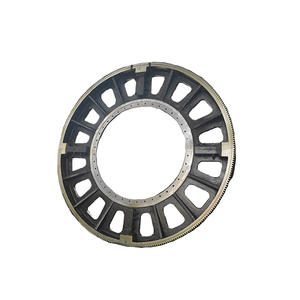
(Rotary kiln furnace for sponge iron, small capacity rotary kiln)
REQUEST A QUOTE
RELATED PRODUCTS
used shuttle kiln ceramic rotary kiln ceramic kiln pottery production
Energy-saving rotary kiln for activated carbon with best
New Model 3.0*45m Charcoal Rotary Kiln
rotary kiln spare parts s kontrol otomatis tubuh kompor untuk rotary kiln warehouse rotary kiln cyclone preheater
Cast Iron Steel Rotary Kiln Spare Parts Roller rotary Kiln Tyre rotary kiln wheel belt for cement and mining machinery