PRODUCT PARAMETERS
Description
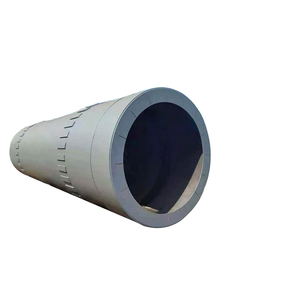
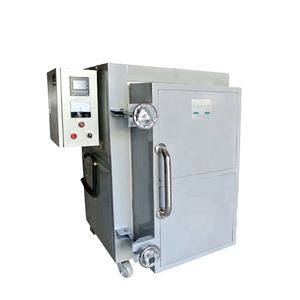
Introduction of Rotating oven of gypsum kiln for plaster calcining magnesium oxide rotary kiln
A rotary kiln is a kind of industrial equipment used for material heating and processing, which is widely used in cement, metallurgy, chemical industry, etc. Rotating oven of gypsum kiln for plaster calcining magnesium oxide rotary kiln refers to various parts and components which are necessary for maintaining and repairing the normal operation of the rotary kiln, such as cylinder, baffle wheel, pallet, sealing device and so on.
Features and advantages of Rotating oven of gypsum kiln for plaster calcining magnesium oxide rotary kiln
High-temperature resistance: Due to the extremely high temperature of the working environment of the rotary kiln, the spare parts are usually made of refractory materials or special alloys to ensure that they can work stably under high temperatures.
High abrasion resistance: Long time material friction and chemical erosion require spare parts to have excellent abrasion resistance to prolong service life.
High structural strength: in order to withstand heavy loads and the pressure of continuous operation, the design of spare parts will place special emphasis on structural strength and reliability.
Easy to install and maintain: Considering the need for frequent replacement, many spare parts are designed to be simpler and easier for quick installation and maintenance.
Strong adaptability: different industries have different needs for rotary kilns, so spare parts need to have good versatility and adaptability to meet diverse application conditions.
(Rotating oven of gypsum kiln for plaster calcining magnesium oxide rotary kiln)
Specifications of Rotating oven of gypsum kiln for plaster calcining magnesium oxide rotary kiln
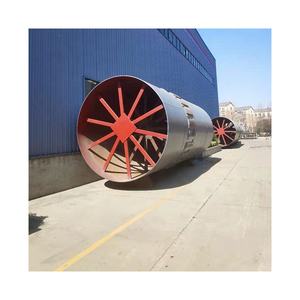
This rotary kiln handles gypsum calcination and magnesium oxide production. It heats materials continuously under controlled conditions. The core is a long, slightly inclined steel cylinder. This cylinder rotates slowly. Rotation mixes materials thoroughly. It ensures even heat exposure. The kiln length typically ranges from 30 to 100 meters. Diameter varies between 2.5 and 5 meters. Size depends on required output capacity.
The kiln shell uses thick boiler-grade steel plates. High-temperature resistance is essential. Inside, refractory bricks line the entire cylinder. These bricks withstand intense heat. They protect the steel shell. Refractory types vary along the kiln length. Different zones face different temperatures and chemical reactions.
Hot gases heat the material. These gases flow counter-current to the solid feed. Fuel options include coal, natural gas, or oil. Burners fire into the kiln’s lower end. Temperature control is critical. The calcination zone reaches 1400-1800°C for magnesium oxide. Gypsum calcination operates at lower temperatures, around 150-200°C. Precise temperature profiles are maintained.
Support rollers carry the entire kiln structure. Thrust rollers control axial movement. A large gear ring connects to a drive system. Powerful motors provide rotation. Variable speed drives adjust rotation rate. This controls material residence time. Seals at both ends minimize air leaks. Efficient sealing maintains proper gas flow. Dust collection systems capture fine particles. Emission controls meet environmental standards. Instrumentation monitors temperature, pressure, and rotation speed. This data ensures stable operation. Operators adjust parameters for optimal performance. Material feed rate must match kiln capacity. Discharge systems handle the hot product. Cooling often happens outside the kiln.
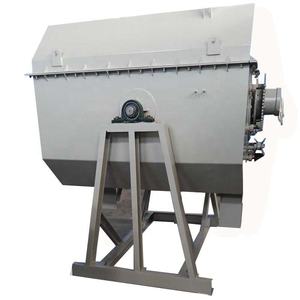
(Rotating oven of gypsum kiln for plaster calcining magnesium oxide rotary kiln)
Applications of Rotating oven of gypsum kiln for plaster calcining magnesium oxide rotary kiln
Rotating ovens, also called rotary kilns, are important for processing materials like gypsum and magnesite. They are long, slightly tilted tubes that turn slowly. This turning action moves the material inside from one end to the other. Heat is applied inside the kiln. This heat drives off water or other chemicals from the raw material.
For gypsum calcining, raw gypsum rock goes into the rotating oven. The heat inside the kiln removes the water molecules bound within the gypsum. This changes the gypsum into stucco plaster. Stucco plaster is the key ingredient for making plasterboard and other building products. The rotating oven heats the gypsum evenly. This ensures consistent quality plaster. The kiln design allows precise temperature control. This control is vital for making the right type of plaster.
The same type of rotating oven is used for magnesium oxide production. Here, the raw material is usually magnesite ore. The magnesite enters the rotary kiln. Intense heat inside the kiln causes a chemical reaction called calcination. This reaction drives off carbon dioxide gas from the magnesite. What remains is magnesium oxide, often called magnesia. Magnesia is essential for making refractory bricks. These bricks line high-temperature furnaces. Magnesia is also used in agriculture and chemical processes. The rotating kiln handles the high temperatures needed. It also provides the time required for the reaction to finish. The turning action mixes the material well. This mixing helps the heat work effectively.
Company Introduction
Established in 2001, plant Machinery Equipment Co.,ltd. focus on metal research and mining machinery spare parts. 2 factories over an area of 13,300 square meters, based on 100+ sets of equipment, our production capacity reaches 12000 Tons/Year. has passed ISO 9001 quality managment system certification in 2008.
Our mainly products are dragline excavator spare parts,rotary kiln spare parts, large modulus gear (gear shaft), gearbox ect. 40+ patents with over 45 years experience to help focus on improve the service life of spare parts. We belive that more than 80% reason of mechanical parts’ working life depends on hot processing (steel making/forging/casting/welding/heat treatment). Eight material engineers will control the quality from the original resource.
If you are interested, please feel free to contact us.
Payment
L/C, T/T, Western Union, Paypal, Credit Card etc.
Shipment
By sea, by air, by express, as customers request.
5 FAQs of Rotating oven of gypsum kiln for plaster calcining magnesium oxide rotary kiln
Customers often ask about our rotating ovens for plaster calcining and magnesium oxide production. Here are five common questions and their answers.
What does this rotating oven actually do? It heats gypsum rock or magnesium carbonate intensely. This heat causes a chemical change. For gypsum, it becomes plaster powder. For magnesium carbonate, it becomes magnesium oxide powder. This process is called calcination.
How does the oven work? The oven is a long, slightly tilted steel tube. Material enters the higher end. The tube rotates slowly. This rotation tumbles the material constantly. Hot gases flow through the tube. The tumbling action exposes all material particles evenly to the heat. The material moves gradually to the lower end. It exits as the finished powder.
What are the oven’s key features? The oven uses strong, heat-resistant steel. Special refractory bricks line the inside. This protects the steel shell. Heavy-duty rollers support the rotating tube. A strong drive system turns it reliably. We include precise temperature controls. We also offer different sizes for various production needs.
What benefits does this oven offer? It provides very even heating. The constant tumbling ensures this. This leads to a consistent, high-quality product. The design allows continuous operation. Material feeds in one end. Finished powder comes out the other. This boosts efficiency. The oven handles large volumes reliably. It is built tough for demanding industrial use.
Where is this oven used? Its main job is making plaster powder from gypsum rock. It is also vital for producing magnesium oxide from magnesium carbonate. These materials are essential in construction. They are used in agriculture too. Industries needing these powders rely on this type of kiln.
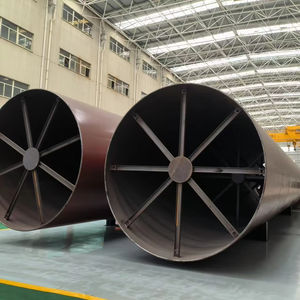
(Rotating oven of gypsum kiln for plaster calcining magnesium oxide rotary kiln)
REQUEST A QUOTE
RELATED PRODUCTS
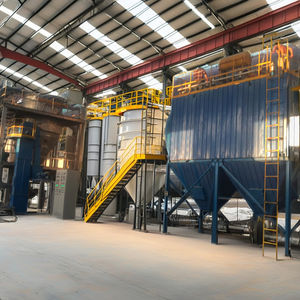
Rotary Kiln/ Zinc Oxide Production Line Rotary Kiln
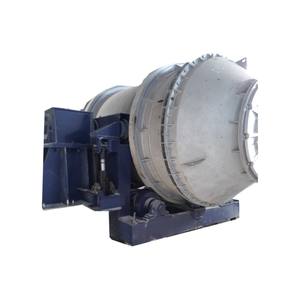
High tech factory calcium carbonate rotary kiln cement kiln rotary kiln
Large Gear For rotary kiln Casting Steel rotary kiln parts Ball Mill Gears For
whole small mini calcining kiln rotary kiln
China rotary kiln for lime, gypsum, cement rotary kiln mini small