
Heavy machinery plays a critical role in numerous industries across the United States, including construction, manufacturing, agriculture, and mining. While these machines enhance productivity and efficiency, they also pose significant safety risks to operators and nearby workers. Understanding the human cost associated with heavy machinery accidents is essential for improving workplace safety standards and preventing fatalities.
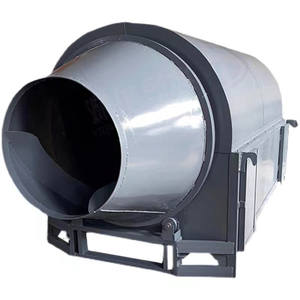
(How Many People Per Year Die From Heavy Machinery In The Us)
According to data from the U.S. Bureau of Labor Statistics (BLS) and the Occupational Safety and Health Administration (OSHA), an average of approximately 150 to 200 workers die each year in the United States due to incidents directly involving heavy machinery. This figure includes fatalities resulting from equipment such as bulldozers, excavators, cranes, loaders, forklifts, and other powered industrial vehicles commonly classified as heavy machinery. It is important to note that this number represents only direct machinery-related deaths and does not encompass secondary incidents such as structural collapses or electrocutions indirectly caused by machinery operation.
The construction sector accounts for the largest share of these fatalities. OSHA reports that nearly half of all heavy machinery–related deaths occur on construction sites, where complex operations, dynamic work environments, and frequent equipment movement increase the likelihood of accidents. Common causes include rollovers, struck-by incidents (where a worker is hit by moving machinery or its load), caught-in/between hazards, and equipment malfunctions. Forklifts alone contribute significantly to these statistics; despite their relatively smaller size compared to other heavy equipment, forklifts are involved in roughly 85 fatalities annually, according to the National Institute for Occupational Safety and Health (NIOSH).
Manufacturing and warehousing environments also experience a notable number of machinery-related deaths. In these settings, incidents often stem from inadequate machine guarding, failure to follow lockout/tagout procedures during maintenance, or operator error due to insufficient training. Agriculture presents another high-risk sector, particularly with tractors and combines, which are responsible for dozens of fatalities each year—many involving rollovers or entanglement in moving parts.
Demographic trends reveal that younger and less experienced workers are disproportionately affected, often due to limited exposure to safety protocols or pressure to meet production targets at the expense of caution. Additionally, contractors and temporary workers may face elevated risks due to inconsistent safety oversight or lack of site-specific training.
Regulatory frameworks exist to mitigate these dangers. OSHA mandates strict compliance with safety standards, including proper equipment maintenance, comprehensive operator certification, use of personal protective equipment (PPE), and implementation of engineering controls like proximity sensors and automatic shut-off systems. Employers are also required to conduct regular hazard assessments and provide ongoing safety education.
Despite these measures, gaps remain. Underreporting, inconsistent enforcement, and evolving technology introduce ongoing challenges. The integration of automation and remote-controlled machinery offers promising avenues to reduce human exposure to hazardous tasks, but it also introduces new risks related to system reliability and human-machine interaction.
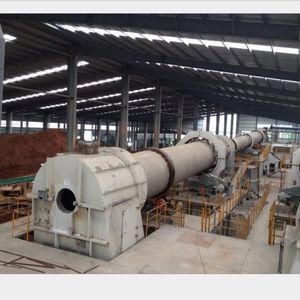
(How Many People Per Year Die From Heavy Machinery In The Us)
In conclusion, while heavy machinery is indispensable to modern industry, it exacts a measurable toll on human life—approximately 150 to 200 American workers per year lose their lives in machinery-related incidents. Continued investment in safety training, technological innovation, regulatory compliance, and a strong safety culture is imperative to drive this number down. Every fatality is preventable, and reducing machinery-related deaths requires sustained collaboration among employers, regulators, equipment manufacturers, and workers themselves.